
Does Lawn Aeration Actually Fix Clay Soil in Pittsburgh?
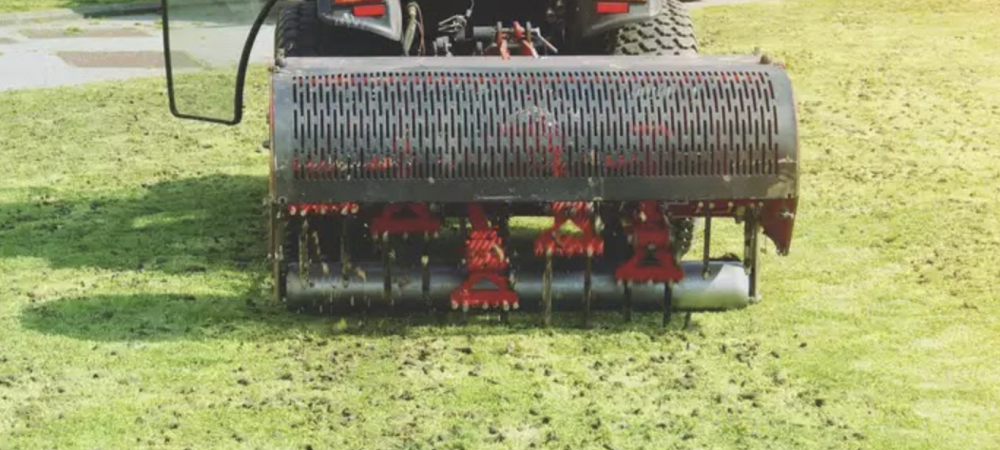
Yes, lawn aeration actually fixes clay soil issues by physically breaking up heavy soil compaction and creating permanent channels for oxygen, water, and nutrients to reach the root system. While aeration does not physically alter the mineral classification of clay into sand or loam, it directly relieves mechanical density and restores the biological processes needed for healthy turf growth.
For homeowners in Western Pennsylvania, core aeration is widely considered the single most effective cultural practice for managing heavy ground.
How Does Core Aeration Work on Heavy Clay?
Core aeration works on clay soil by using specialized hollow tines to pull physical plugs of soil out of the ground, leaving open holes across the lawn.
Unlike spike aerators, which simply poke holes and push dense clay sideways (often making compaction worse), professional core aeration removes material entirely.
This physical extraction process yields several direct benefits:
- Relieves Subterranean Pressure: Removing plugs gives tight clay space to expand and relax, decreasing overall ground hardness.
- Direct Route to the Root Zone: The open channels allow applied fertilizers, oxygen, and water to bypass the hard surface crust and travel directly down into the root system.
- Natural Plugs Breakdown: The extracted soil cores left on the lawn surface naturally break down in rain, dispersing micro-nutrients back into the canopy.
What Are the Immediate Benefits of Aerating Pittsburgh Lawns?
The immediate benefits of aerating local clay lawns include better water infiltration, reduced surface runoff, deeper root growth, and improved fertilizer efficiency.
When you aerate heavy ground in Pittsburgh, you can expect:
- Reduced Standing Water: Heavy rains soak into the open core channels rather than pooling on top of your grass or running down sloped properties.
- Deeper, Stronger Roots: Grass roots naturally follow paths of least resistance. Aeration holes give roots room to dive inches deeper, making the lawn significantly more heat and drought-tolerant during summer.
- Thatch Reduction: Aeration introduces air into the upper soil layer, encouraging beneficial microbes to break down excess organic thatch naturally.
Is Aeration a One-Time Fix for Clay Soil?
No, lawn aeration is not a one-time fix because clay soil naturally reconsolidates over time due to rain, snow load, and regular lawn usage. Because clay particles are tiny and flat, ground in Greater Pittsburgh settles back into a compacted state over the course of a year.
For heavy clay, annual or biannual core aeration is required to maintain soil porosity and support continuous root growth.
When Is the Best Time to Aerate Clay Soil in Pittsburgh?
The best time to aerate clay soil in Pittsburgh is in the early fall, from late August through October. During this window, soil temperatures remain warm enough for rapid root expansion, while cooler air temperatures reduce heat stress on cool-season turf grasses.
Aerating in the fall also creates the perfect seedbed for overseeding. Dropping seed immediately after aeration allows grass seeds to drop directly into the hollow core holes. Seed-to-soil contact inside an aeration hole offers shelter, moisture retention, and protection from birds, resulting in high germination rates.
Give Your Lawn Room to Breathe
Don't let hard, compacted clay soil choke out your grass roots. Contact Lawn Sense today to learn more about our core aeration and lawn health services designed specifically for Western Pennsylvania soil.